
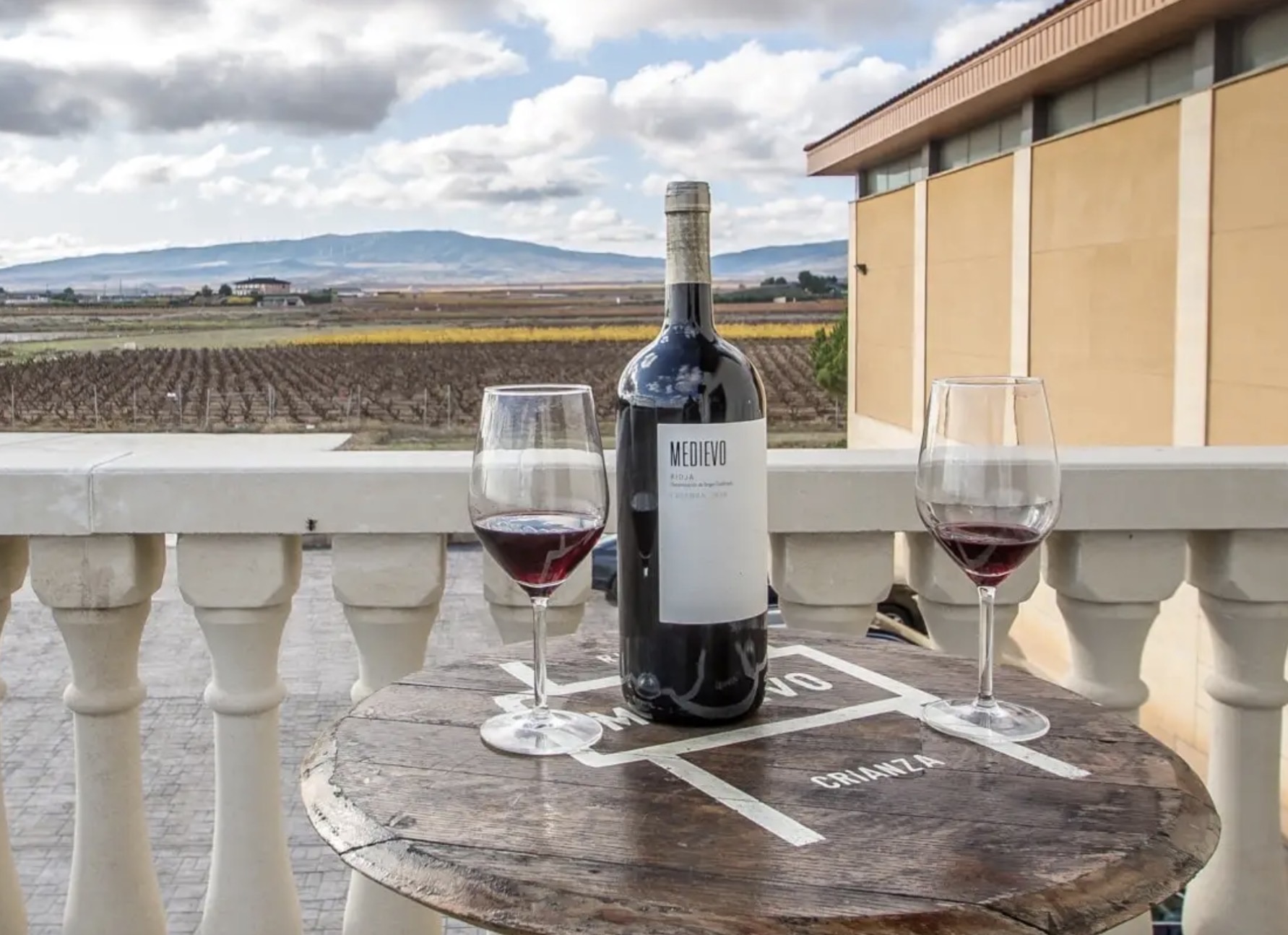
As the terrace season winds down and menus turn to richer, slow-cooked dishes, the wine list needs to follow. A summer-heavy list built around light rosé and crisp whites starts to feel out of step the moment guests order stew, game, or anything off the grill. Early autumn — before the first cold snap sends everyone reaching for the reds anyway — is the right moment to make the switch, while you still have time to taste, decide, and get stock in before the rush.
Why These Two Reds Belong on Your Autumn List
Tempranillo and Garnacha are the two grape varieties doing most of the work on a Spanish autumn list.
- Tempranillo, Spain’s signature red grape, is reliably food-friendly — moderate tannin, good acidity, notes of red fruit and leather that pair as well with a burger as with braised lamb.
- Garnacha brings a lighter-bodied, fruit-forward alternative — useful for guests who want “red” without heavy tannin, and it works well slightly cool if your restaurant serves it that way.
For either grape, autumn is also when it’s worth deciding how much oak character you want on the list. That’s where the Crianza classification comes in: it’s not a grape, but a legal quality label for how a wine was aged. A Spanish red labelled Crianza has spent a minimum of six months in oak barrels, plus further ageing in bottle before release — and it’s usually made from Tempranillo, Garnacha, or a blend of the two. That oak contact is exactly what makes a wine feel right against heavier autumn food, without pushing the price up to Reserva or Gran Reserva levels.
Matching the Wine to the Menu
A few practical pairings worth testing on your own dishes before finalizing the list:
- Oak-aged (Crianza) Tempranillo with roasted or braised meats, mushroom-based dishes, and hard cheeses.
- Young, unoaked Tempranillo (Joven) with grilled and stewed dishes, tomato-based sauces, and charcuterie boards.
- Garnacha with poultry, lighter stews, and dishes with warm spice — it also handles a wider temperature range at the table than heavier reds.
If you’re unsure how a bottle will actually taste next to your kitchen’s dishes, request samples before committing to a case count. A wine that reads well on a spec sheet doesn’t always match your menu.
Getting the List Updated Before the Rush
A few things worth doing now rather than in three weeks:
- Taste before you commit. Ask your supplier for sample bottles across price tiers, not just one option per grape.
- Update in stages. Swap two or three glass-pour reds first, then revisit the by-the-bottle list once you see what moves.
- Check lead times. Direct-from-winery sourcing can take longer than buying from a local distributor’s existing stock — plan orders accordingly if the change needs to be live for a specific date.
- Consider your margins. An oak-aged Crianza generally offers a better glass-pour margin than Reserva, without asking guests to trade up in price.
Old World Wines sources across Rioja, Ribera del Duero, Jumilla, and Priorat, working directly with wineries rather than through multiple layers of distribution — which keeps pricing predictable when you’re planning a seasonal switch rather than a one-off order. For restaurants that want to go further, we also run private label programs, so an autumn house red can carry your own label rather than a generic one.
Get in touch if you’d like sample bottles or a quote for the new season’s list.