By Erwin Bos, Old World Wines, October 2026
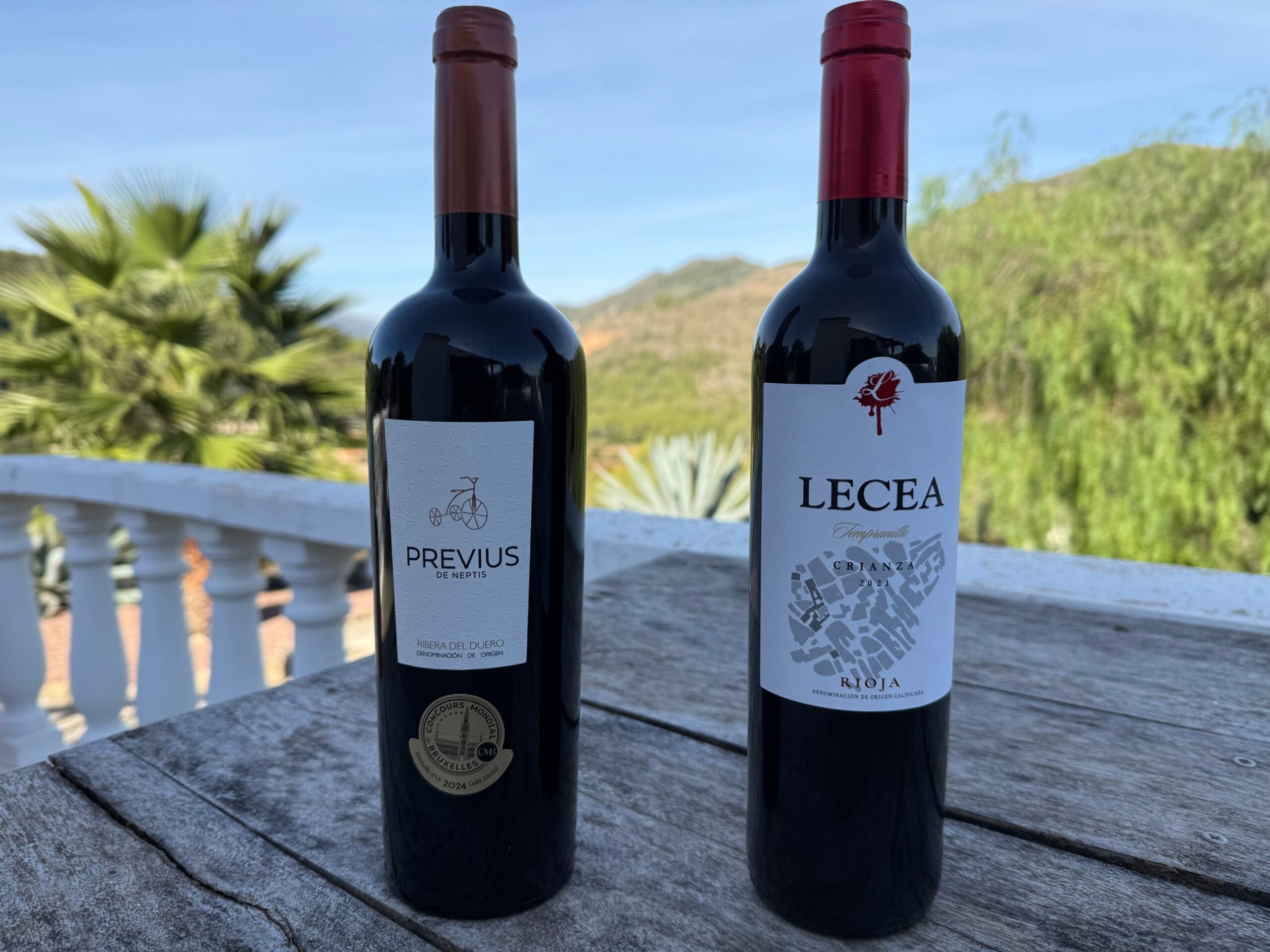
Ask most guests to name a Spanish red and they’ll say Rioja or Ribera del Duero before anything else. Both have earned that recognition, but they’re built on different ideas of what a Spanish red should be, and that difference matters more for your wine list than the fact that they’re both famous.
Two Icons, Two Different Philosophies
Rioja is a blending region. Tempranillo leads, but it’s traditionally joined by Garnacha, Mazuelo and Graciano, and the classic ageing categories of Crianza, Reserva and Gran Reserva describe time in barrel and bottle rather than a single style. The result is a wide range, from light, early-drinking Crianza to structured, long-aged Gran Reserva, all under one regional name.
Ribera del Duero is narrower by design. It’s built almost entirely around Tempranillo, locally called Tinta del País, grown at high altitude between 700 and 900 metres, where big swings between hot days and cold nights concentrate the fruit and thicken the skins. The wines tend to be bolder and more structured from the start, relying less on long ageing to build character.
Rioja: Breadth, a Familiar Name, and Easier Margins
Rioja’s biggest advantage on a wine list is range. You can offer a Crianza by the glass at an accessible price point, then move a guest up to a Reserva for a bottle, without leaving the region or confusing the story you’re telling. It’s also the name most guests already recognize, which makes it an easy sell across a varied menu of tapas, grilled dishes, cured meats and other mixed plates.
Ribera del Duero: Concentration, and a Serious Bottle
Ribera tends to cost more per bottle, and it earns that price with power and structure rather than breadth. It’s the stronger choice when your menu leans toward red meat, game, or anything rich and slow-cooked: a steakhouse concept, a tasting menu, or a list built around a handful of serious bottles rather than a dozen by-the-glass options. It’s less suited to an easy glass-pour slot, but it’s a strong anchor for guests ordering for the table.
Which One Fits Your List?
For most venues, the honest answer is both, at different jobs. A Rioja Crianza or Reserva covers the glass-pour slot and the broad, food-friendly middle of the list, while a Ribera del Duero earns its place as the one or two serious bottles guests order when they want to make an occasion of it.
If you’re only adding one, let your menu decide. A varied, lighter kitchen points to Rioja. A red-meat-focused or fine-dining concept points to Ribera.
Old World Wines sources directly from producers in both regions, so pricing stays predictable whether you’re building out a by-the-glass range or looking for one standout bottle to anchor the list.
Get in touch if you’d like sample bottles from either region to taste against your menu.